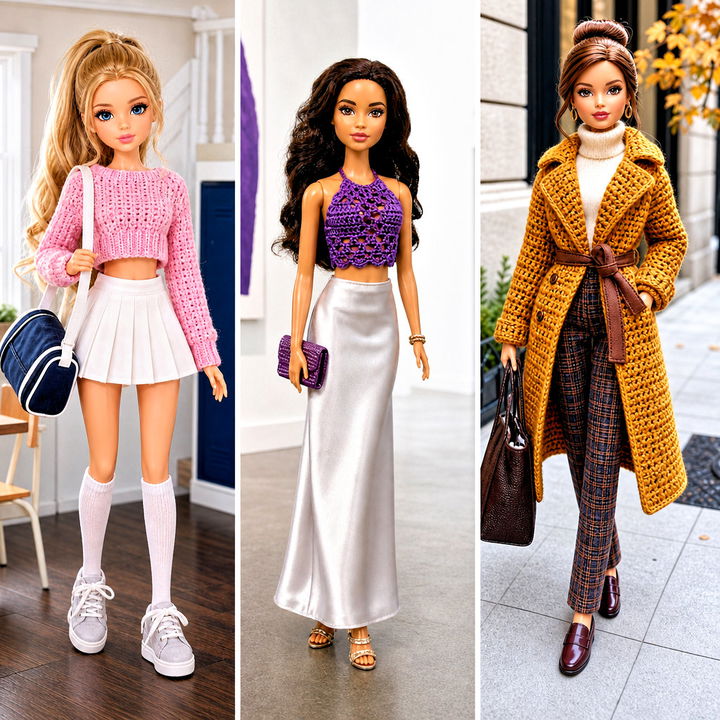
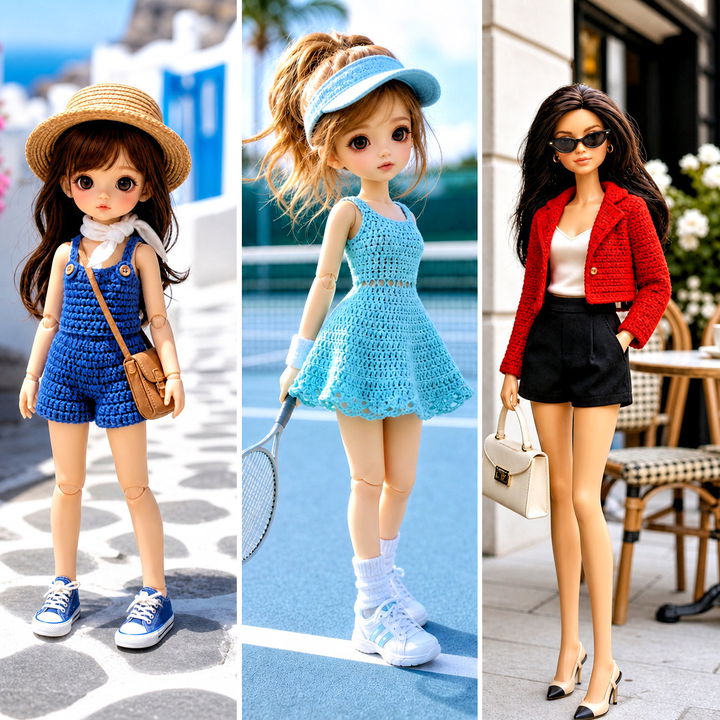
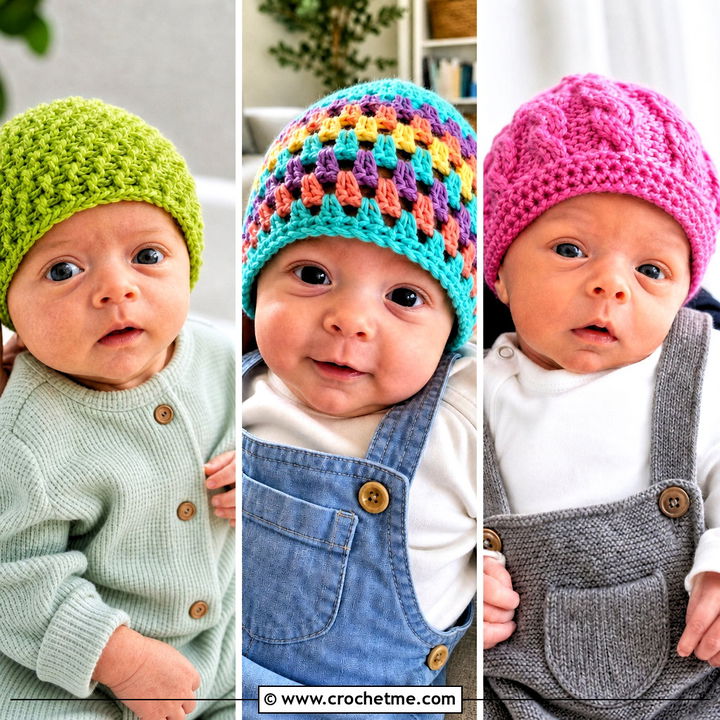
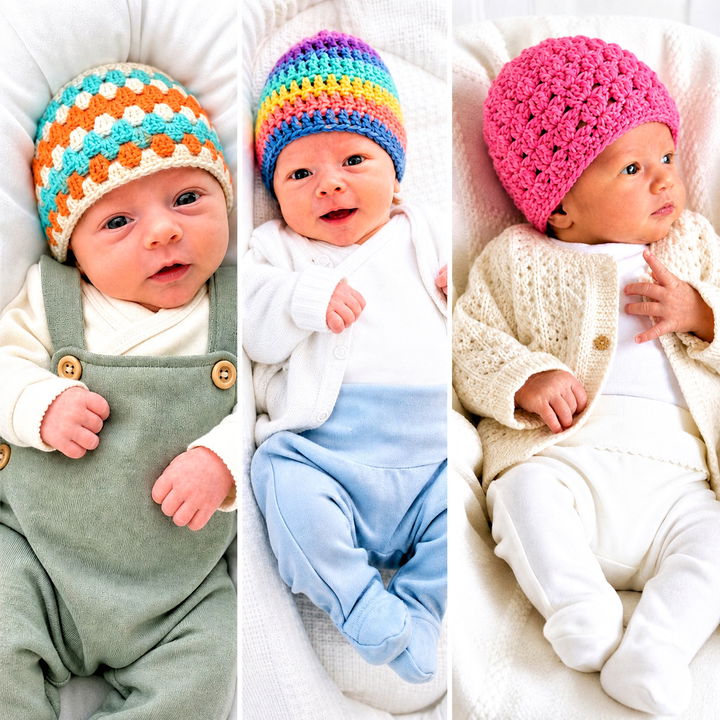
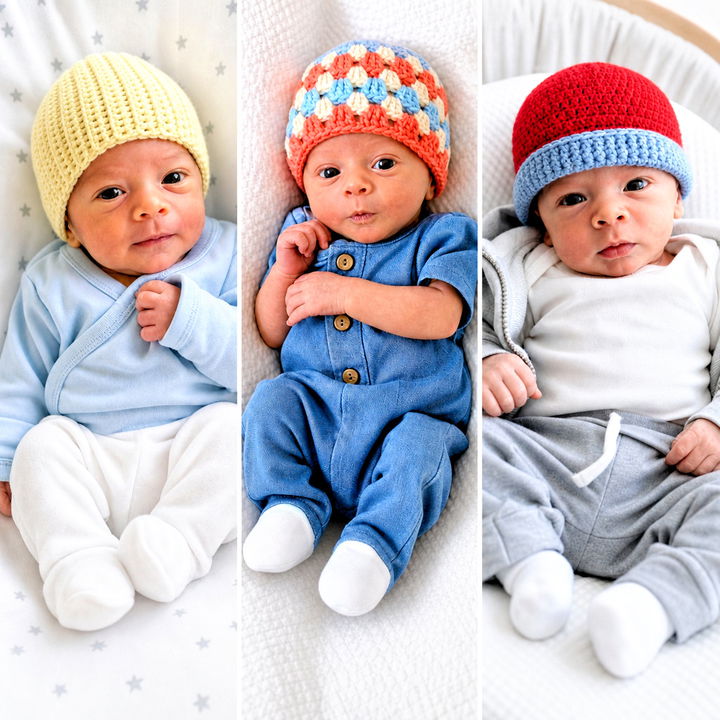
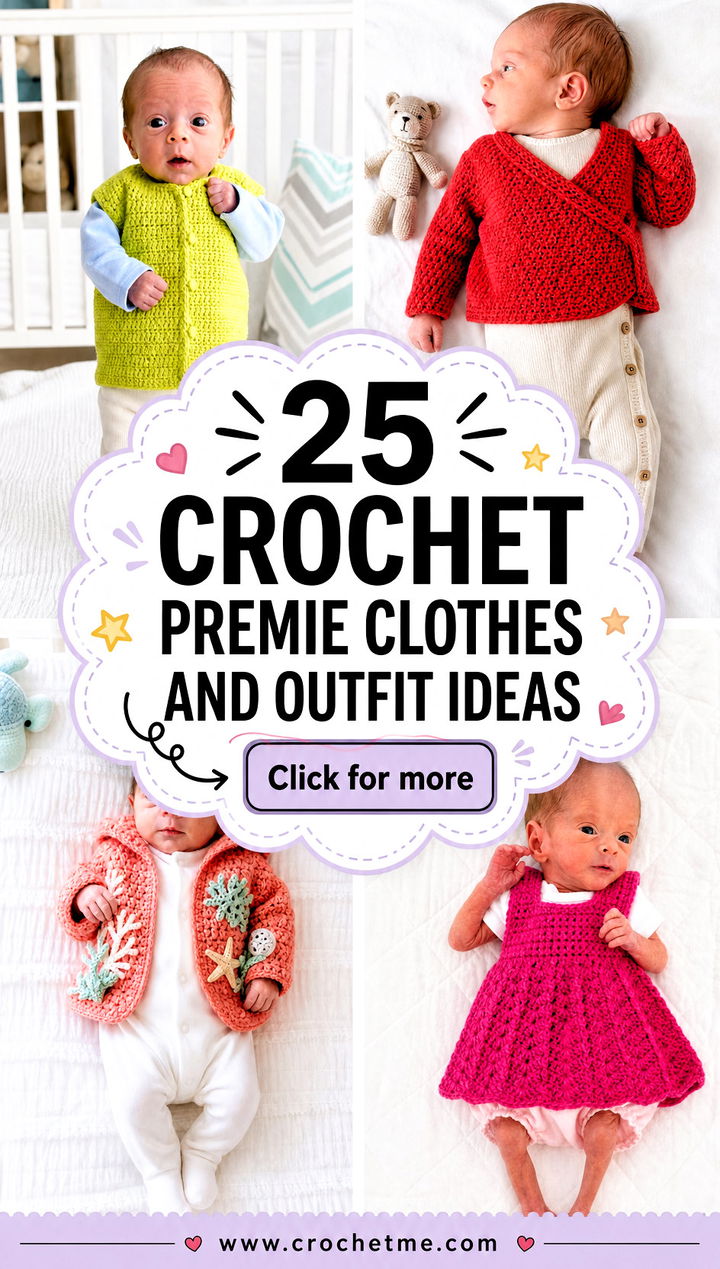
Tiny clothing can bring comfort, color, and personality to an early arrival’s wardrobe. These 25 Crochet Premie Clothes and outfit ideas explore practical combinations built around soft crochet pieces, from open-front cardigans and seamless beanies to rompers, gowns, vests, and booties. Each crochet item is paired with simple cotton basics so the texture feels wearable rather than overly decorative. Because premature babies have individual medical and temperature needs, parents should confirm every garment with their NICU or pediatric care team. Hospital donation requirements also vary, especially regarding materials, washing, fragrance, sizing, and attached decorations. With safety and accessibility in mind, here are 25 Crochet Premie Clothes and outfit ideas for hospital-approved dressing, supervised photos, milestones, and coming home.
1. Crochet Preemie Beanie With Cotton Sleeper
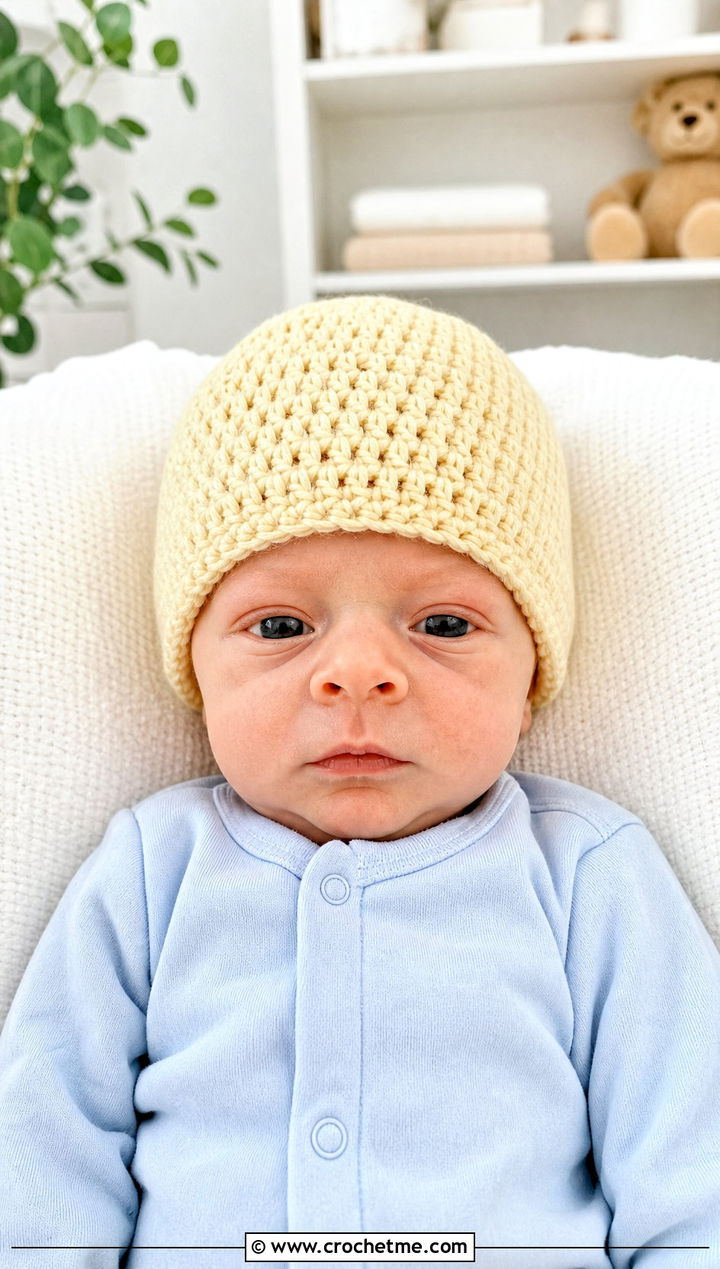
A seamless crochet preemie beanie makes a sweet finishing layer when paired with a lightweight cotton sleeper. Choose a close-fitting hat made with smooth, washable baby yarn and a dense stitch that does not leave large openings. The sleeper should open from the front or side, reducing the need to pull fabric over the baby’s head. Keep the rest of the outfit plain so the colorful crochet texture remains the focus. Skip pompoms, beads, appliqués, and loose embellishments that could detach. This comfortable combination works best when the baby’s medical team has approved wearing a hat and regular clothing. Remove the beanie whenever caregivers recommend it, especially if the baby needs help managing body temperature or has monitoring equipment around the head.
2. Crochet Preemie Bonnet With Side-Snap Bodysuit
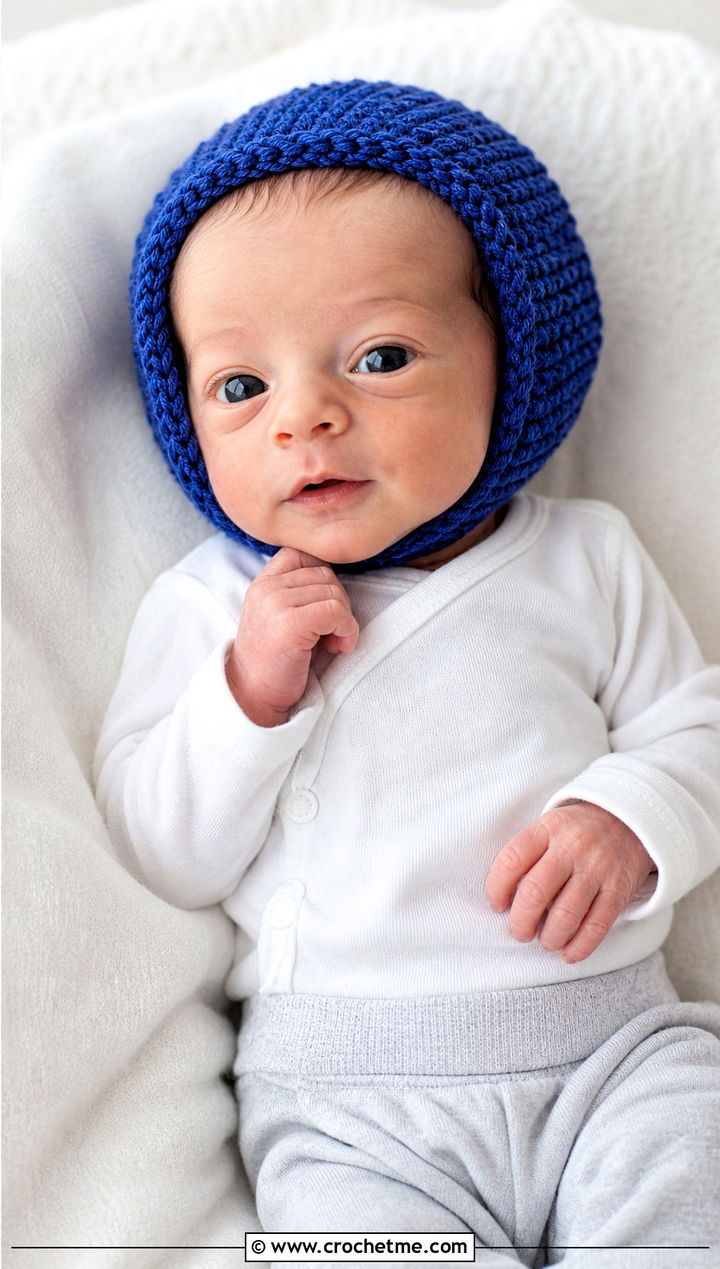
A softly shaped crochet preemie bonnet can frame a tiny face beautifully without making the entire outfit feel formal. Pair it with a side-snap cotton bodysuit that opens flat, allowing easier dressing around delicate arms and medical lines. Select a bonnet with a smooth edge and secure construction, but avoid long chin ties or decorative cords. A closely fitted, tie-free design is more practical for supervised wear. Add footless cotton pants if the care team permits them, leaving the feet accessible when necessary. This outfit is useful for milestone photographs because the crochet bonnet introduces visible texture while the basic layers remain comfortable. Always check the fit around the forehead, ears, and neck, and remove the bonnet immediately after the supervised photo or whenever directed by caregivers.
3. Crochet Preemie Cardigan With Footless Romper
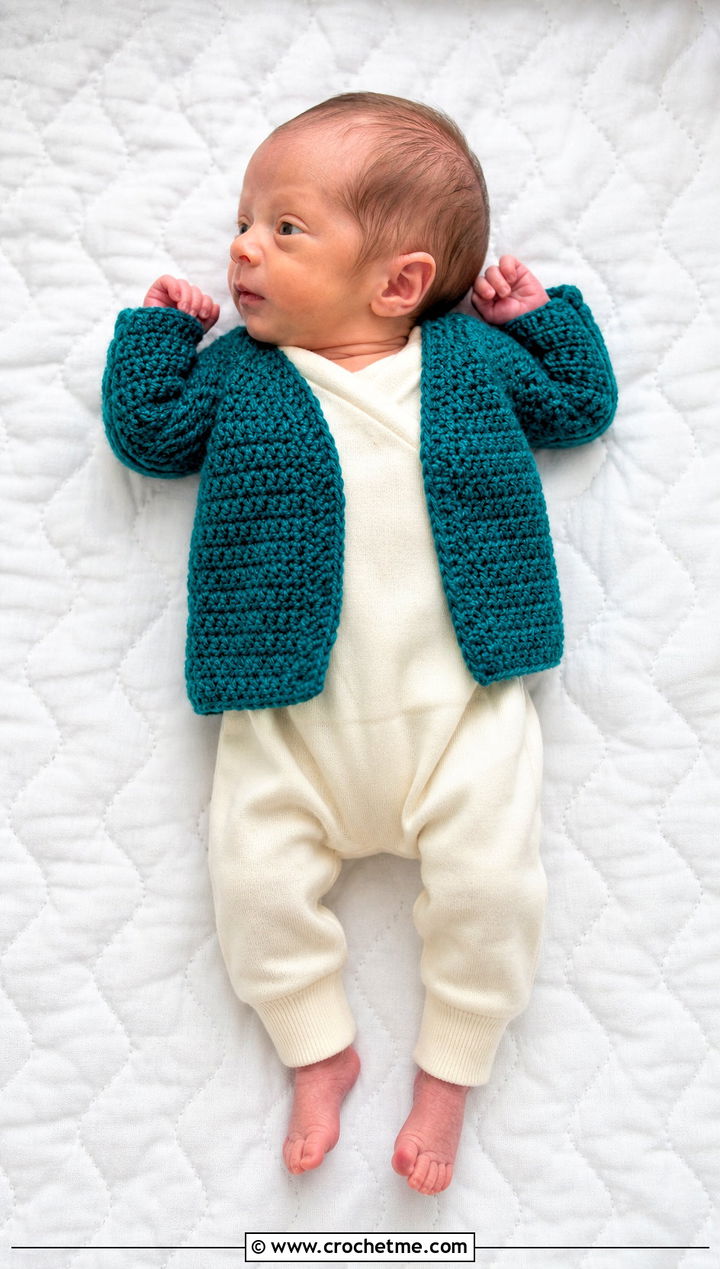
An open-front crochet preemie cardigan gives a basic footless romper an extra layer without hiding its practical shape. Look for a short, lightweight cardigan with flat seams, roomy armholes, and no loose buttons. A simple cotton romper underneath helps prevent textured yarn from resting directly against especially sensitive skin. Footless construction can also provide easier access to the baby’s feet when monitoring is required. Choose a cardigan that opens completely rather than one that must be pulled over the head. This pairing feels polished enough for photographs but remains simple for everyday use after medical approval. The cardigan should never feel heavy, restrictive, or bulky under the baby’s back. Check frequently for overheating, pressure marks, loose fibers, and sleeves that extend over the hands.
4. Crochet Preemie Wrap Cardigan With Cotton Gown
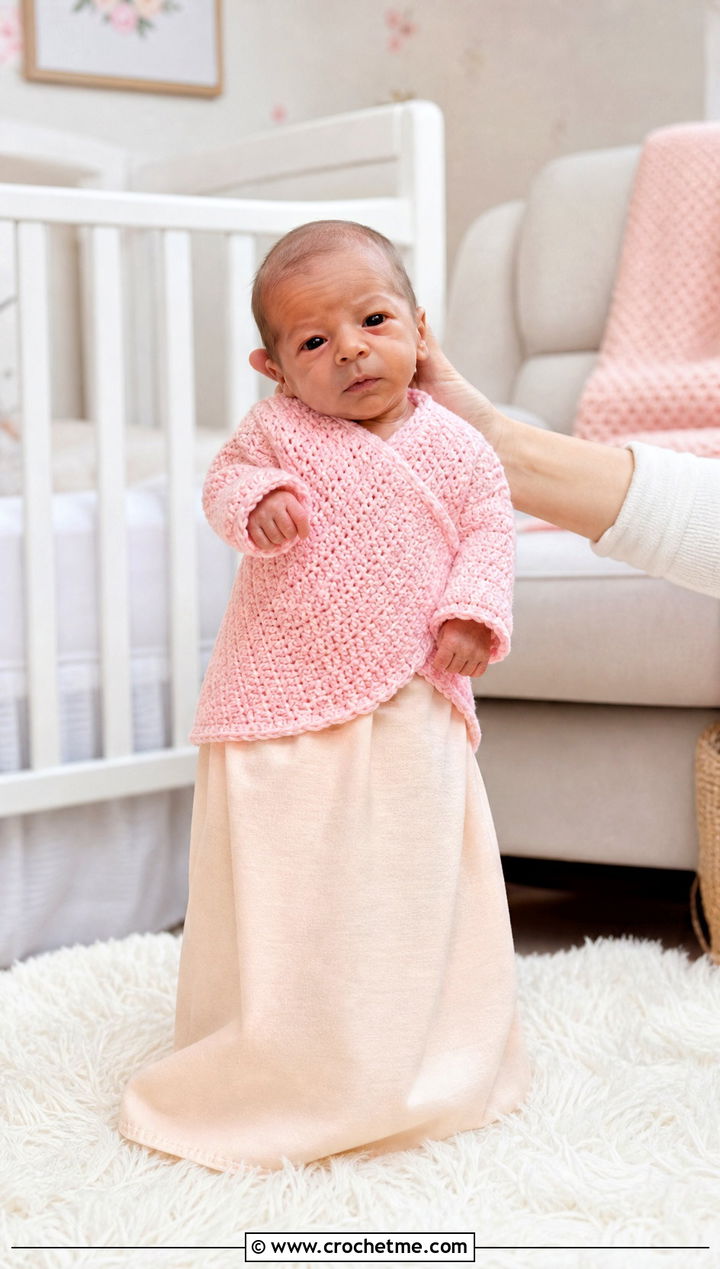
What can make a tiny cotton gown feel more complete without adding complicated layers? A crochet preemie wrap cardigan provides gentle visual structure while keeping the lower half of the outfit easy to access. Choose a cropped wrap design with an overlapping front and hospital-approved flat fastening method. Avoid ribbons, long ties, bulky knots, or anything that could become tangled. The cotton gown underneath should have a wide opening and a simple gathered hem that caregivers can lift easily. This outfit is especially suitable for a supervised coming-home photo once the baby is medically stable. Keep the crochet layer lightweight and correctly sized, since oversized sleeves or excess fabric can interfere with comfortable movement. When uncertain about closures, use the cardigan open as a brief decorative photo layer.
5. Crochet Preemie Raglan Sweater With Cotton Pants
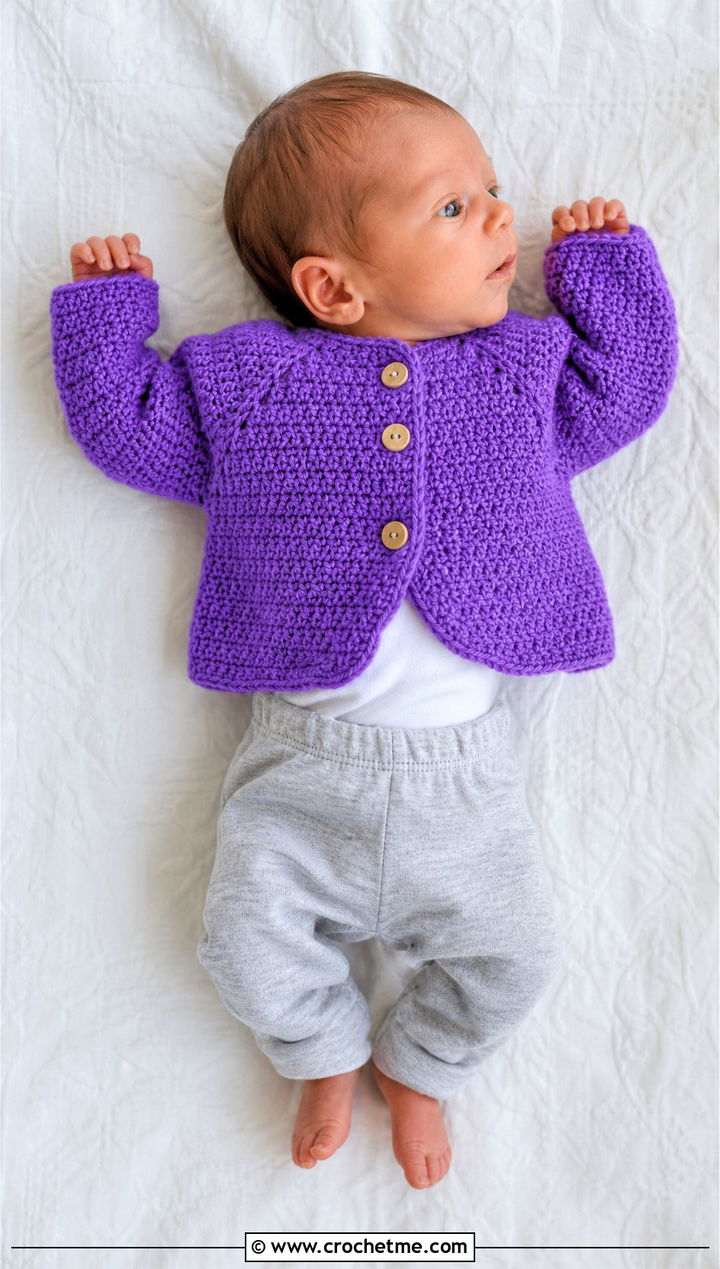
A crochet preemie raglan sweater creates a classic outfit when worn over a thin cotton bodysuit and soft footless pants. The diagonal shoulder construction can provide a smoother fit than heavily seamed designs, although the sweater should still open widely enough for easy dressing. Select fine, flexible crochet stitches rather than thick, rigid texture. The cotton base layer creates a soft barrier and keeps the outfit practical for short periods at home after discharge. Coordinate the pants in a quiet supporting color so the bright sweater remains the central feature. Avoid tight waistbands, drawstrings, buttons, and raised decorations. Because an overhead sweater may not suit every premature baby, ask the care team before using it and reserve it for medically stable babies who can be dressed without disturbing equipment.
6. Crochet Preemie Vest With Long-Sleeve Bodysuit
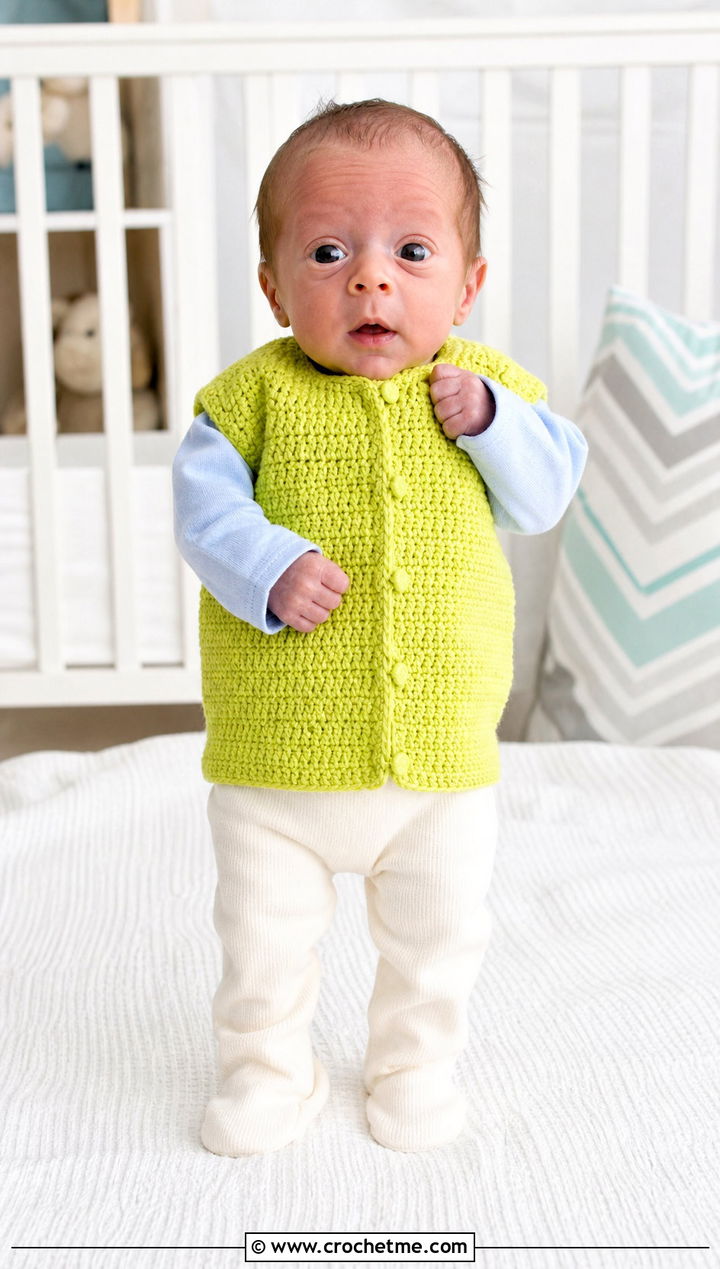
On a mild day, a crochet preemie vest can add texture without covering the arms or creating heavy warmth. Layer a smooth, sleeveless vest over a long-sleeve cotton bodysuit, then add flexible footless leggings for a complete outfit. Choose a vest with generous openings around the neck and arms so it slides on without pulling. A side-opening or front-opening version may be even easier to manage. Keep the stitches compact and the interior free from rough joins or unsecured yarn ends. This combination works well for a short supervised family photo because the crochet detail remains clearly visible over the simple base. The vest should lie flat and never bunch beneath the baby. Remove it if the baby appears warm or if caregivers need unrestricted chest access.
7. Crochet Preemie Cocoon Cardigan With Cotton Onesie
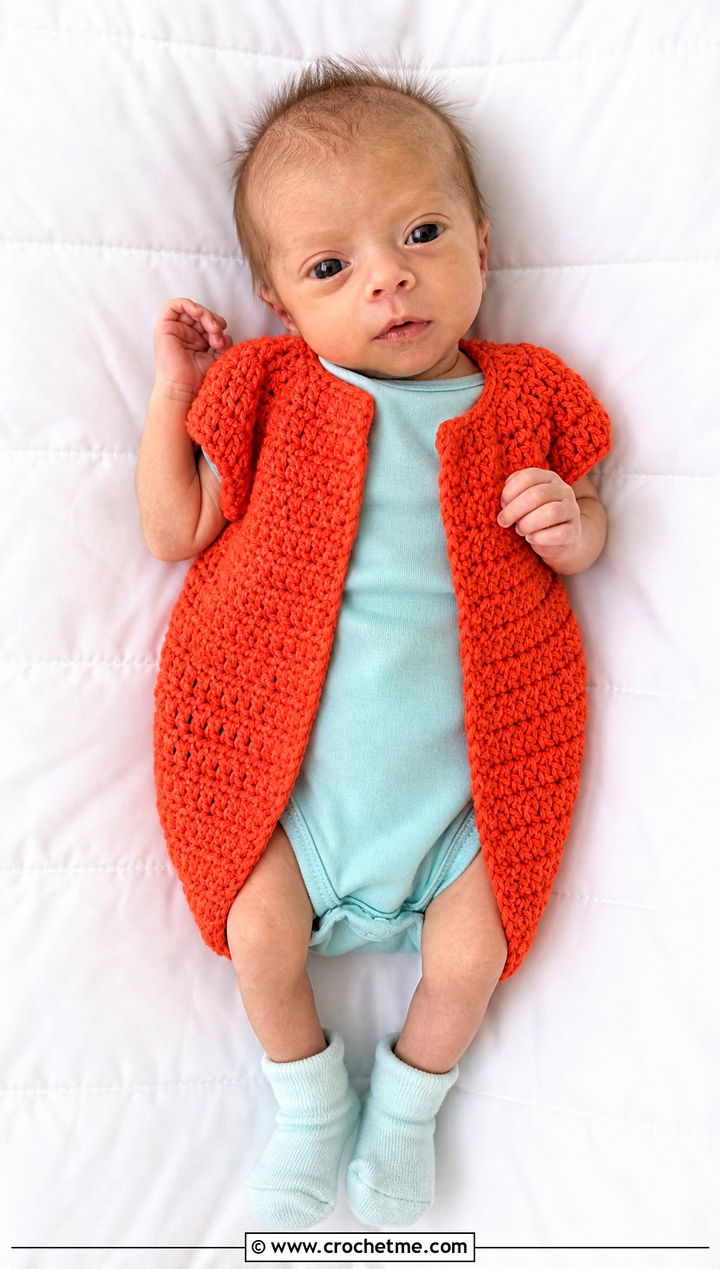
A crochet preemie cocoon cardigan offers a modern rounded silhouette when layered over a plain cotton onesie. Unlike an actual sleep cocoon or swaddle, this piece should function only as a loose, supervised outer cardigan. Select a design with open sides, short sleeves, and no restrictive lower section. The onesie underneath keeps the crochet texture away from highly sensitive areas and provides a clean foundation for the colorful layer. Add soft cotton socks only if approved and correctly fitted. This outfit is best for an awake, supervised photograph or a brief cuddle at home, not unattended sleep. Make sure the cardigan cannot rise toward the baby’s face or gather behind the neck. A compact stitch and carefully secured yarn ends create a neater, more practical finish.
8. Crochet Preemie Kimono Cardigan With Side-Opening Romper
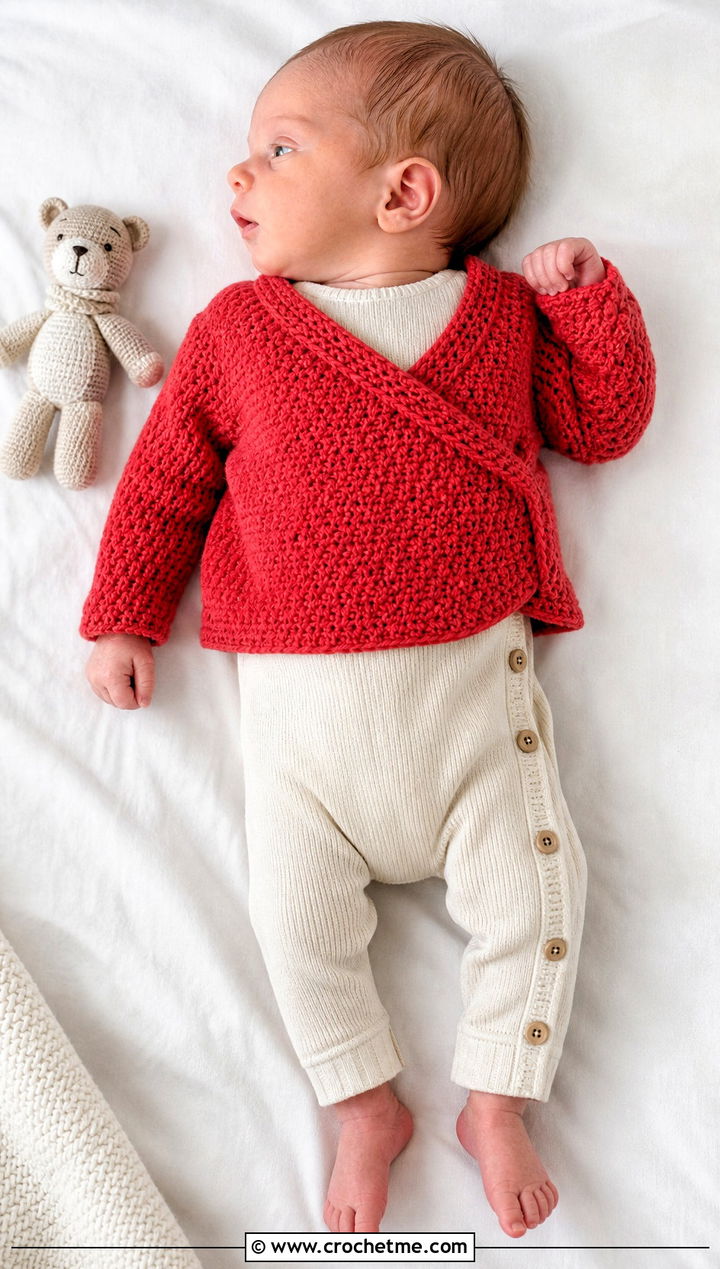
A crossover silhouette gives the crochet preemie kimono cardigan a practical advantage: it can open broadly across the chest. Pair it with a side-opening cotton romper to create an outfit that requires less overhead dressing. The cardigan should be lightweight, softly structured, and free from hanging ties. If a closure is needed, ask the care team whether a flat, securely installed snap is acceptable. Choose a footless romper when caregivers need access to the baby’s feet or lower legs. The kimono shape looks especially stylish in a contrasting 2026-inspired color, while the romper can remain pale and simple. Check that the overlapping front does not become thick beneath the baby. As with every preemie layer, use the cardigan only when medical staff or the baby’s pediatric clinician approves it.
9. Crochet Preemie Hooded Jacket With Cotton Coverall
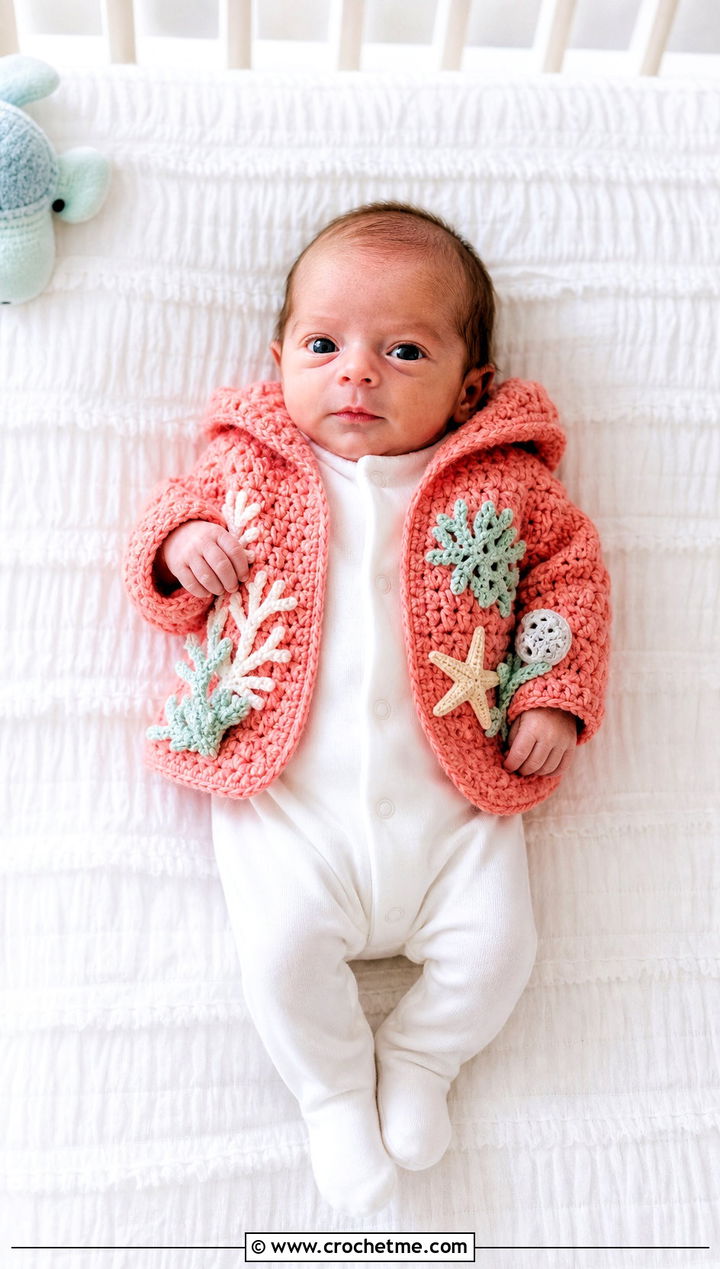
For a cozy coming-home look, combine a lightweight crochet preemie hooded jacket with a cotton coverall. The hood should be shallow, soft, and worn only while the baby is awake and continuously supervised. Never leave a hooded garment on during sleep or when it could cover the face. A front-opening coverall underneath simplifies diaper changes and provides a smooth layer between the yarn and the baby’s skin. Keep the jacket free from drawstrings, tassels, ears, bulky closures, and detachable details. An open-front design is often the easiest option for a brief photo before travel. The crochet jacket should fit close enough to remain controlled but never squeeze the chest or arms. Remove the hood before placing the baby in a car seat and follow all caregiver instructions.
10. Crochet Preemie Poncho With Cotton Bodysuit
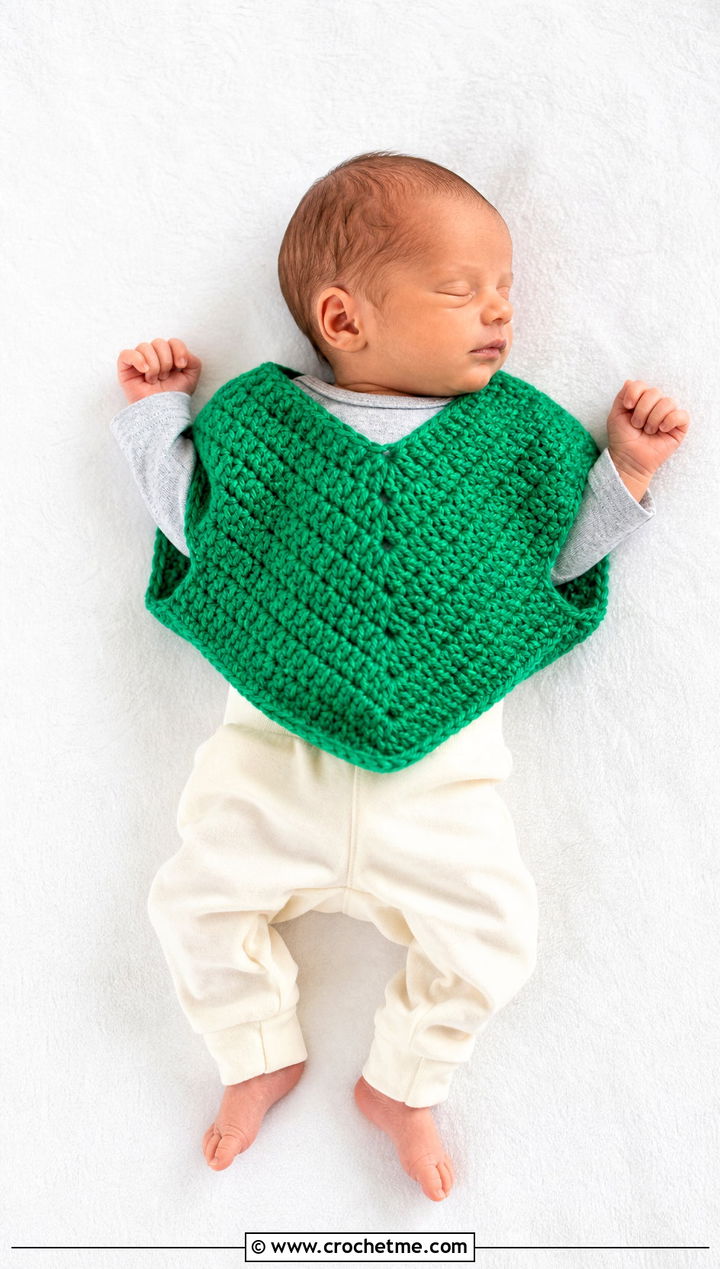
A miniature crochet preemie poncho can create a memorable milestone outfit when treated as a supervised photo layer rather than everyday NICU clothing. Style it over a long-sleeve cotton bodysuit and slim footless pants, keeping the outfit soft and uncomplicated underneath. The poncho should have a wide neckline, short length, and flexible construction. It must never cover the baby’s face, restrict the arms, or gather beneath the body. Avoid fringe, cords, tassels, and open lacework that could catch tiny fingers. This combination is most appropriate for a medically stable baby at home, with an adult remaining within reach. Choose a bright crochet color and quieter cotton pieces for a modern balance. Remove the poncho immediately after the photograph or if it shifts out of position.
11. Crochet Preemie Romper With Cotton Bodysuit
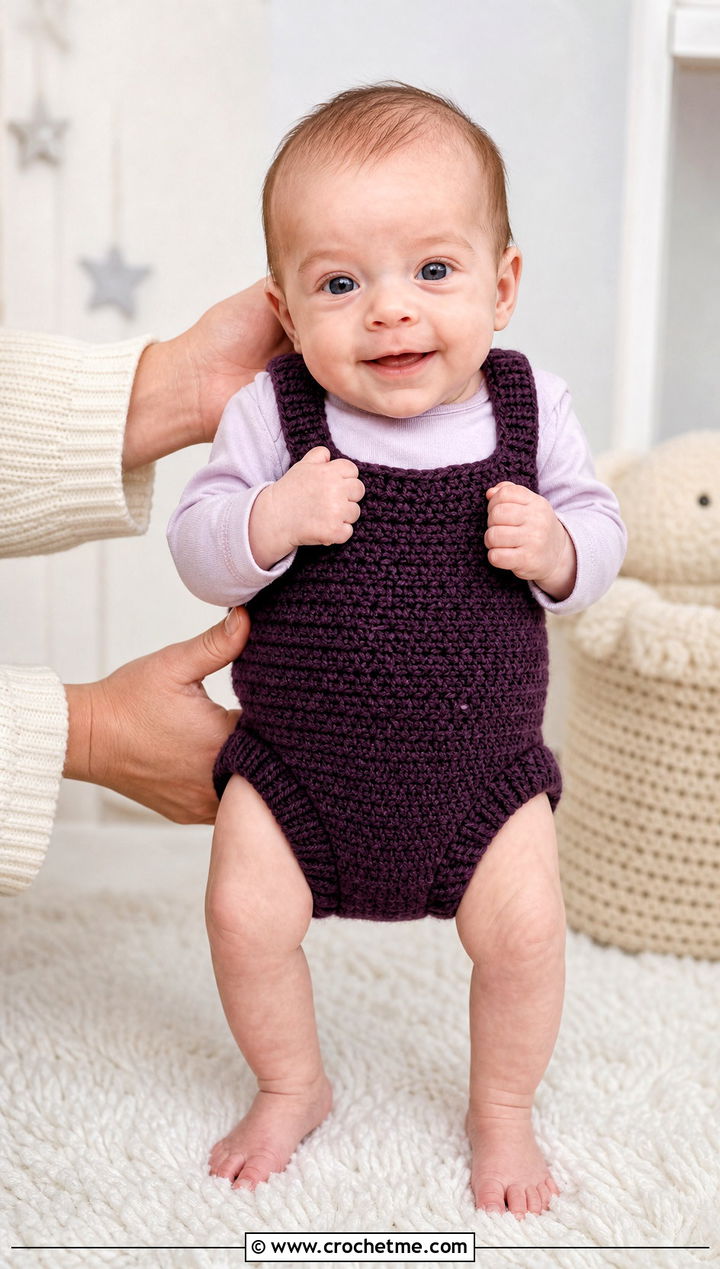
A crochet preemie romper becomes more comfortable and wearable when layered over a thin, close-fitting cotton bodysuit. Look for a romper with an open front, wide leg openings, and practical diaper access instead of a complicated pull-on shape. Dense but flexible stitches offer better coverage than loose mesh, while flat interior joins reduce bulky areas. The cotton bodysuit acts as a protective base and can coordinate with the romper’s brighter color. Keep the neckline open and the straps broad, avoiding buttons, buckles, cords, and decorative hardware. This outfit works well for supervised monthly milestone photos after the baby is stable enough for normal dressing. Check the leg openings and torso frequently because crochet fabric can stretch differently from conventional baby clothing. Never use an oversized romper that could shift toward the face.
12. Crochet Preemie Bubble Romper With Cotton Tee
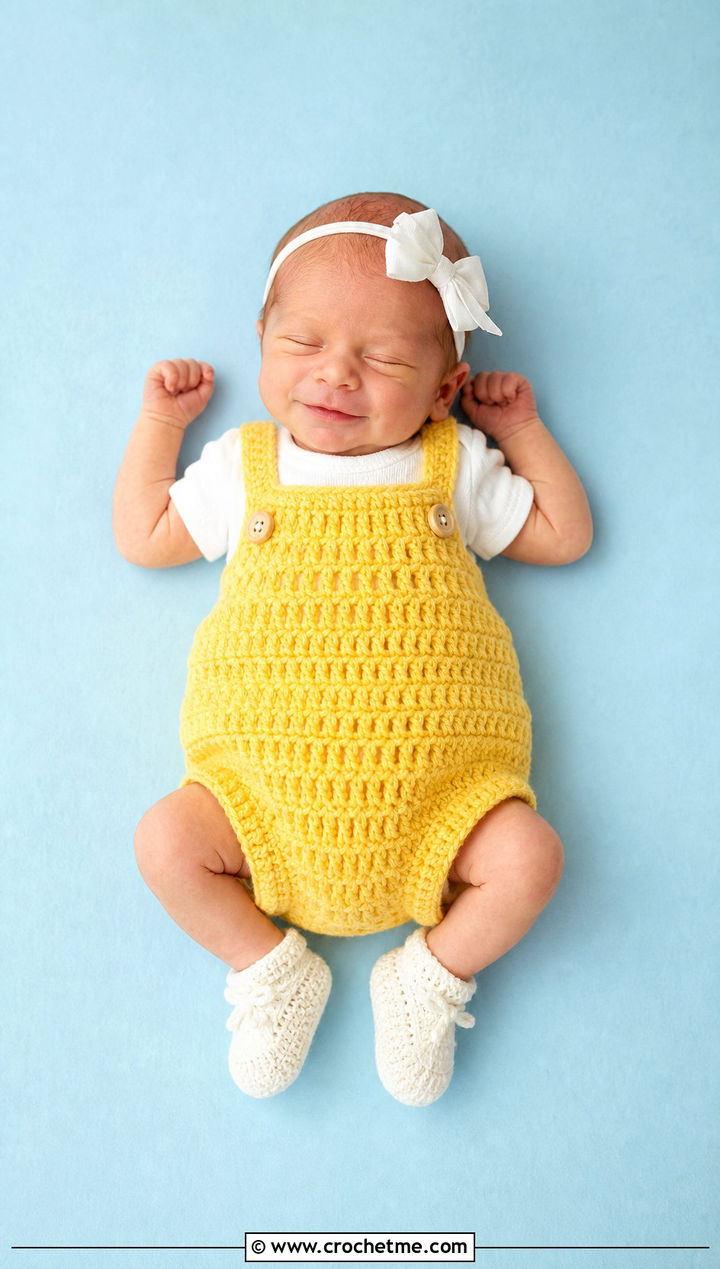
Softly rounded through the lower half, a crochet preemie bubble romper creates a charming vintage-inspired look over a fitted cotton tee. Select a sleeveless bubble design with broad shoulders and easy access at the front or sides. The leg openings should rest gently without elastic cords or restrictive edging. A smooth cotton tee helps reduce direct contact between textured stitches and sensitive skin. Choose footless construction and avoid extra volume around the diaper area, especially if the baby still requires medical access. This outfit is suitable for a brief supervised portrait or a quiet family gathering at home. A vivid crochet shade keeps the look current, while the tee remains a simple supporting neutral. Confirm that every yarn end is securely woven in and that the fabric stays away from the baby’s mouth.
13. Crochet Preemie Overalls With Cotton Wrap Top
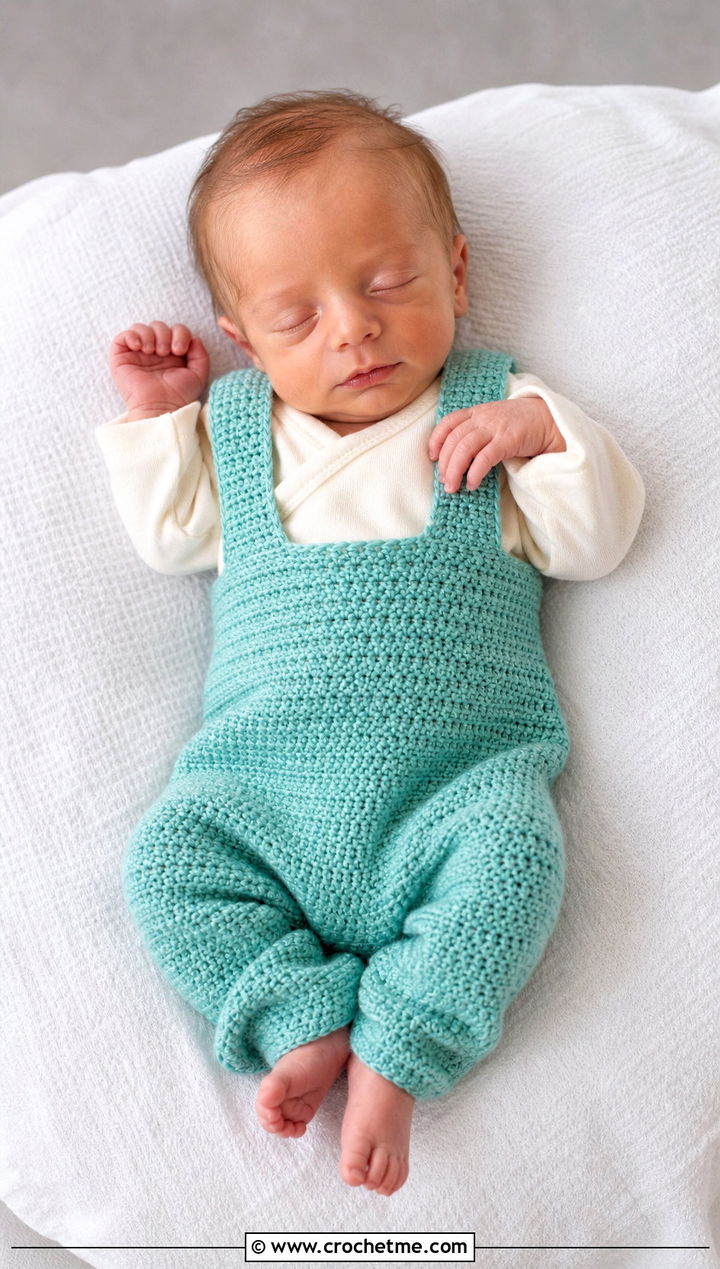
Crochet preemie overalls bring handmade texture into a practical layered outfit without relying on traditional pastel styling. Place them over a cotton wrap top that opens completely across the front. The overalls should have broad straps that are permanently joined or secured through a caregiver-approved method, rather than detachable buttons. Use a short, footless shape so the baby’s legs and feet remain easy to reach. A smooth, densely worked crochet fabric is preferable to stiff or highly open stitches. This combination is especially appealing for a coming-home announcement photo, with the bright overalls acting as the color hero. Keep the waist and bib flexible, and check that no section presses against the abdomen. The outfit should be used only after the baby’s clinical team approves layered clothing.
14. Crochet Preemie Dress With Cotton Bloomers
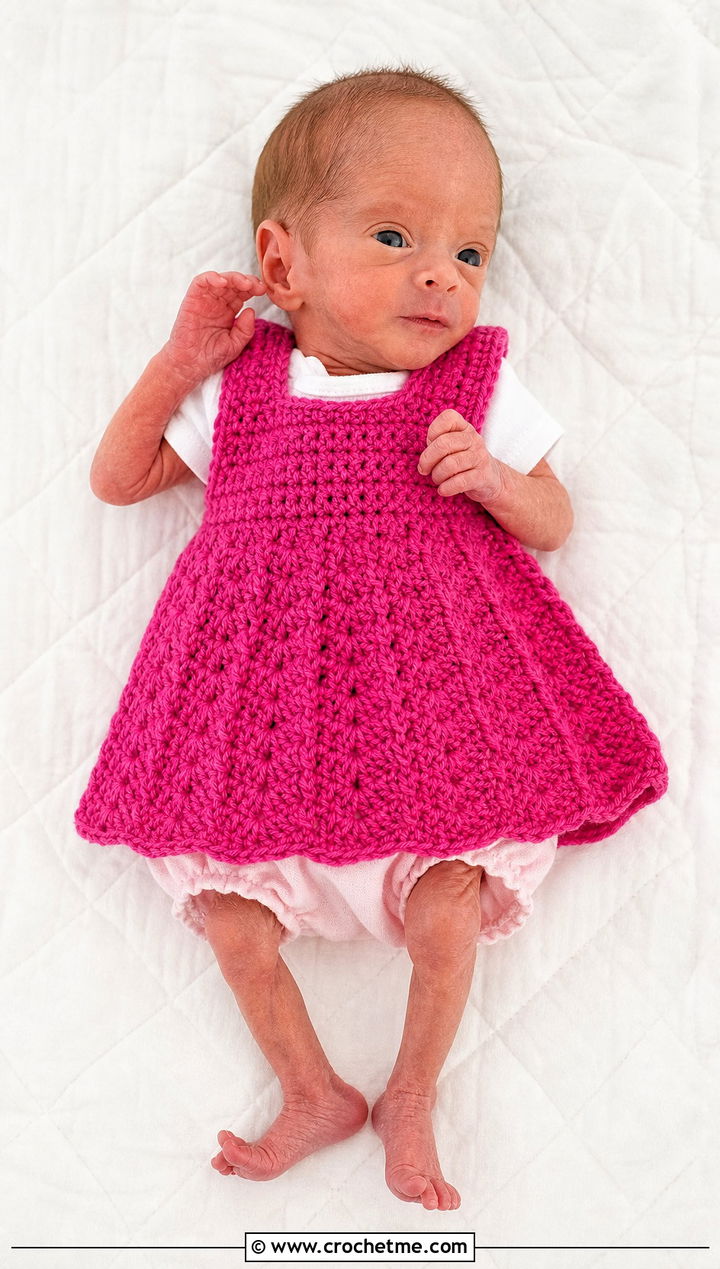
A simple A-line crochet preemie dress can feel special without using lace, bows, or bulky decoration. Layer it over a soft cotton bodysuit, then add lightweight cotton bloomers for coverage. Choose a dress with a broad neckline or a full front opening so it can be placed on the baby without difficult overhead movement. The hem should remain short enough that it cannot gather around the face. Dense, smooth stitches and flat seams help the piece sit more comfortably. Bright color gives the crochet dress a modern personality, while the base layers keep the outfit grounded and wearable. This combination works for a supervised milestone photograph after discharge. Skip ribbons, beads, flowers, and detachable trim, and make sure the bloomers have a gentle waistband that does not press on the abdomen.
15. Crochet Preemie Pinafore With Long-Sleeve Onesie
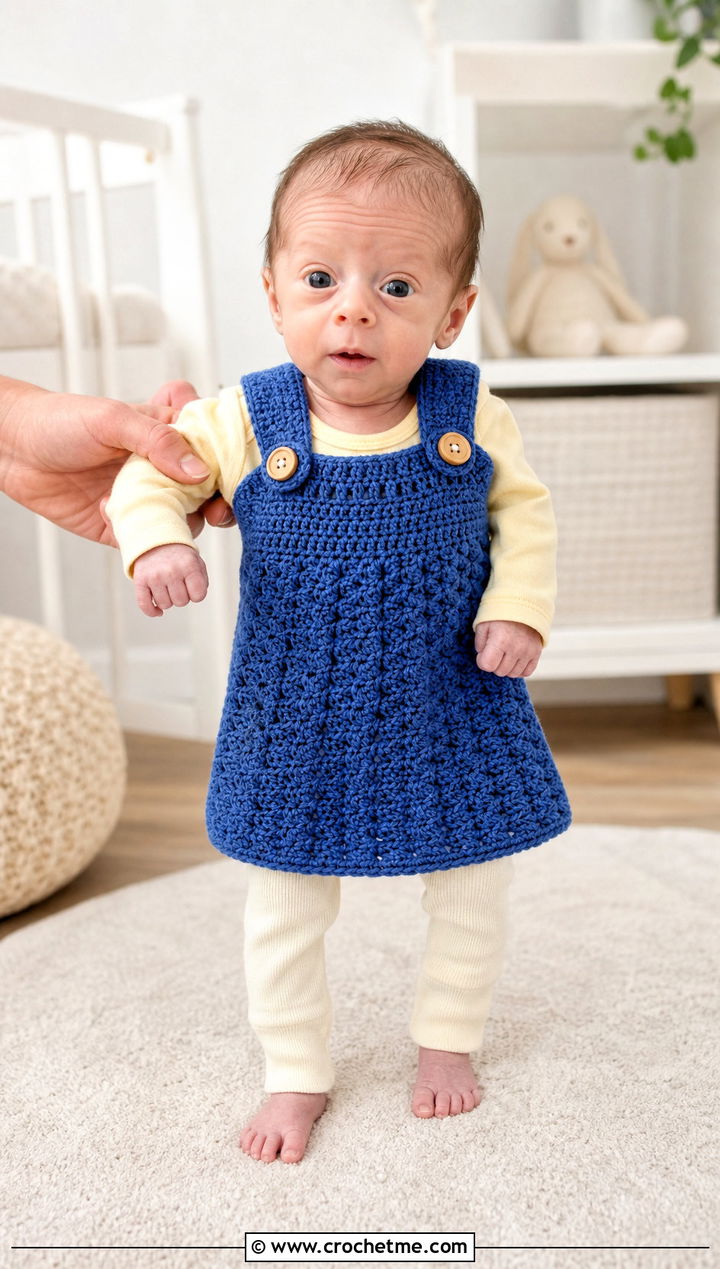
Cooler weather calls for light layering rather than unnecessary bulk. A crochet preemie pinafore worn over a long-sleeve cotton onesie creates a complete outfit while leaving the arms and lower legs accessible. Look for a straight, uncluttered pinafore with wide shoulder sections and a generous opening. Avoid narrow straps, buttons, ties, or a deeply textured waistband. Add soft footless cotton leggings if the baby’s care team approves another layer. The colorful crochet piece should fit smoothly over the onesie without pulling across the chest. This outfit is practical for a short supervised visit or family photograph because every item can be removed separately. Keep the hem away from the face and inspect the crochet fabric for loose loops before each wear. Size according to current measurements rather than estimated age alone.
16. Crochet Preemie Tunic With Footless Leggings
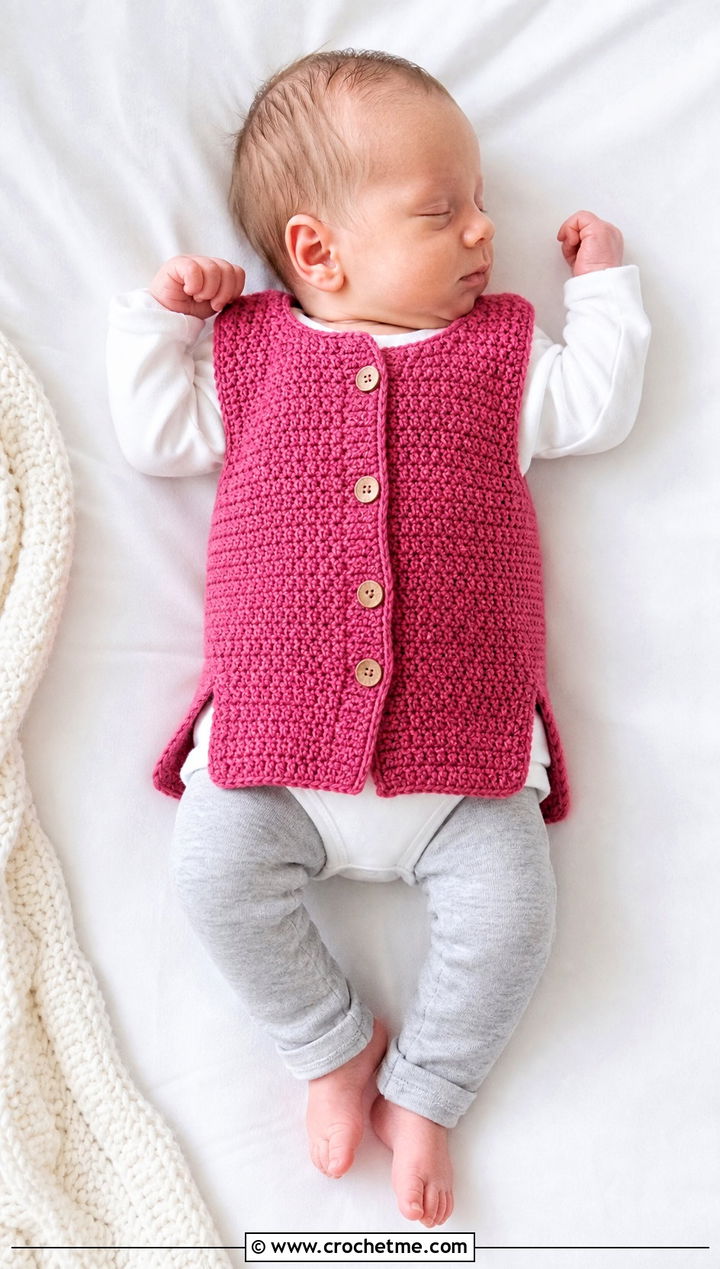
A crochet preemie tunic offers more coverage than a vest but feels less complicated than a dress. Pair a short, front-opening tunic with a cotton bodysuit and stretchy footless leggings. The outfit creates a modern layered effect while keeping the feet uncovered for easier observation. Choose lightweight yarn and a compact stitch pattern that bends easily with the baby’s movements. Side vents can reduce bunching, provided the edges are smooth and securely finished. The tunic should never extend high around the neck or contain cords, fringe, buttons, or loose appliqués. Use this look for supervised daytime wear at home once regular clothing has been approved. A bright tunic paired with pale cotton basics provides a fresh color balance. Check the fit often because premature babies can move through tiny sizes quickly.
17. Crochet Preemie Gown With Side-Snap Bodysuit
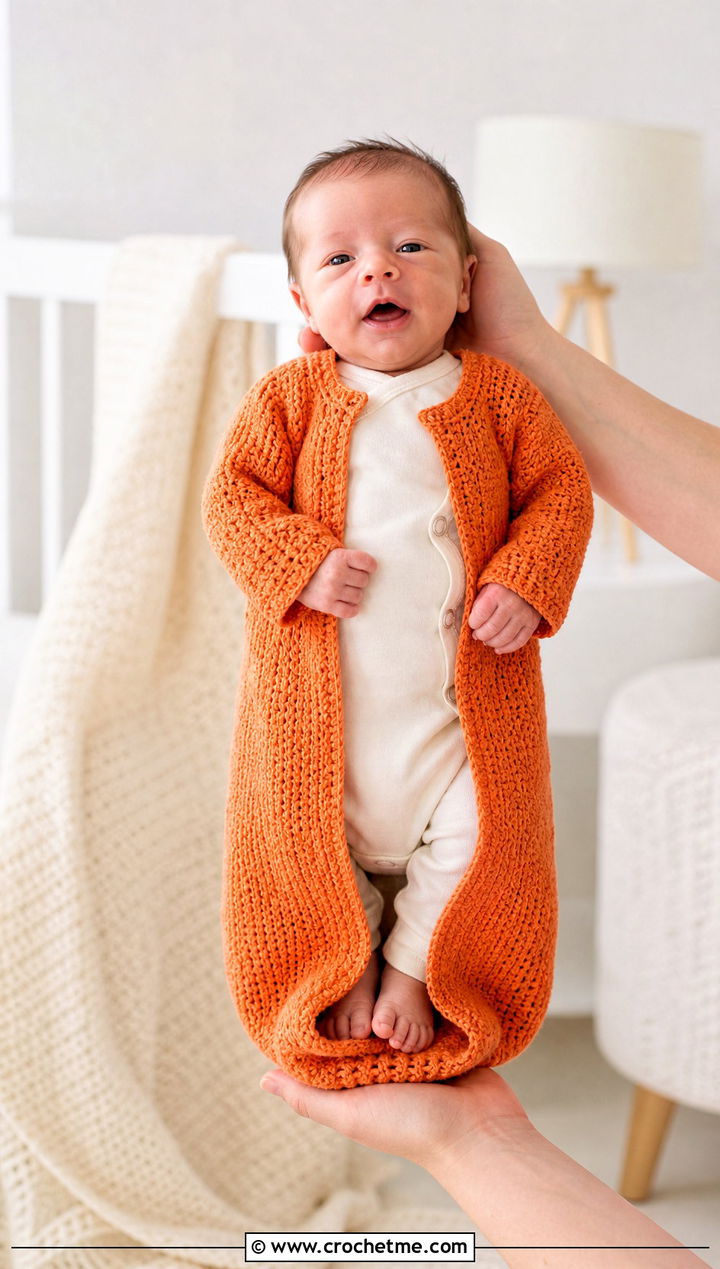
A crochet preemie gown creates a meaningful keepsake outfit for coming-home portraits and family milestones. For comfort, layer it over a thin side-snap cotton bodysuit instead of placing textured crochet directly against the baby’s entire torso. Choose a short day-gown shape with a broad front opening and an accessible lower section. Avoid long hems, drawstring closures, ribbons, beads, and decorative buttons. The gown should remain lightweight enough to lift easily during diaper changes and must not gather around the baby’s face. Select a vibrant solid color so the stitch work is visible without requiring additional decorations. This outfit is best used for a short, fully supervised occasion after medical approval. Store it afterward as a keepsake rather than using an ornate gown for unsupervised sleep.
18. Crochet Preemie Sleep Sack With Cotton Pajamas
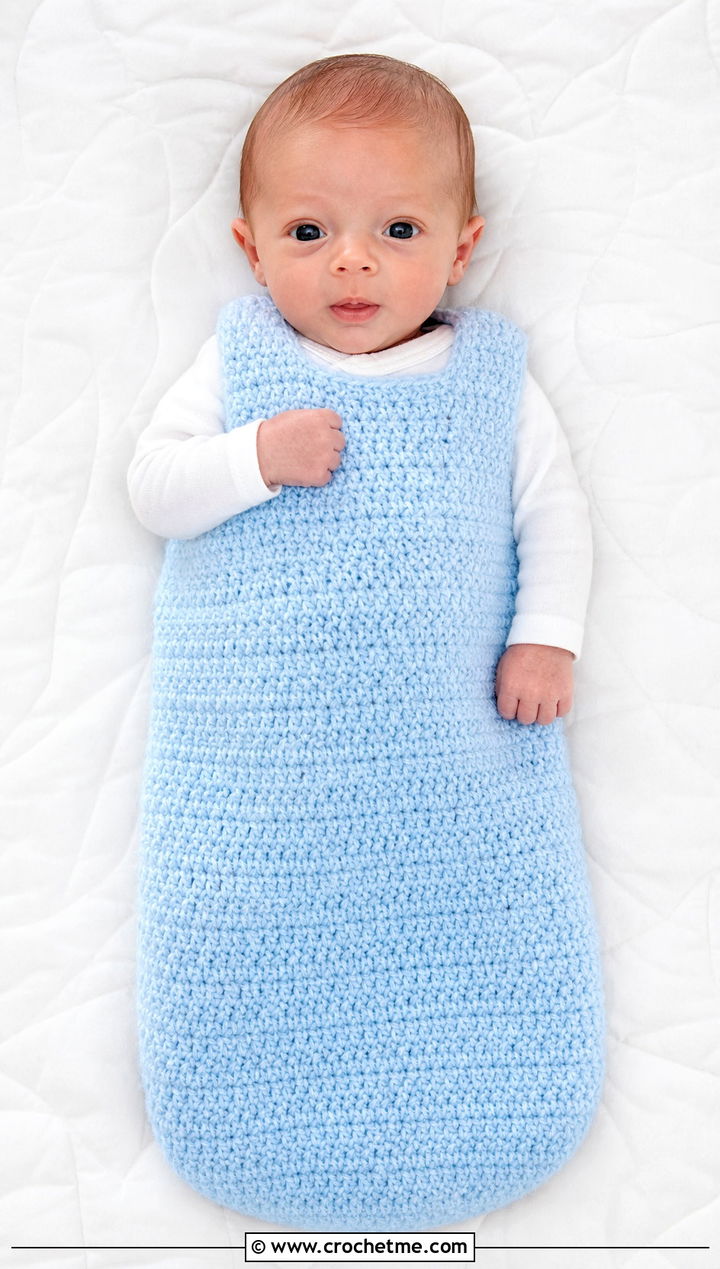
A crochet preemie sleep sack should be considered a supervised decorative layer unless the baby’s pediatric care team has specifically approved its design for sleep. Open crochet stitches, excess fabric, and incorrect sizing can make a handmade sack unsuitable for unattended use. For a safe styling concept, place a lightweight, sleeveless crochet sack over fitted cotton pajamas during an awake milestone photo. Choose a broad opening, secure construction, and a length that allows natural leg positioning. Never add a hood, drawstring, fringe, or loose fastening. The pajamas underneath should fit properly and provide the baby’s primary clothing layer. Remove the crochet sack before sleep unless qualified medical professionals have inspected and approved it. Hospital and home requirements can differ, so personalized guidance should always take priority.
19. Crochet Preemie Pants With Cotton Wrap Shirt
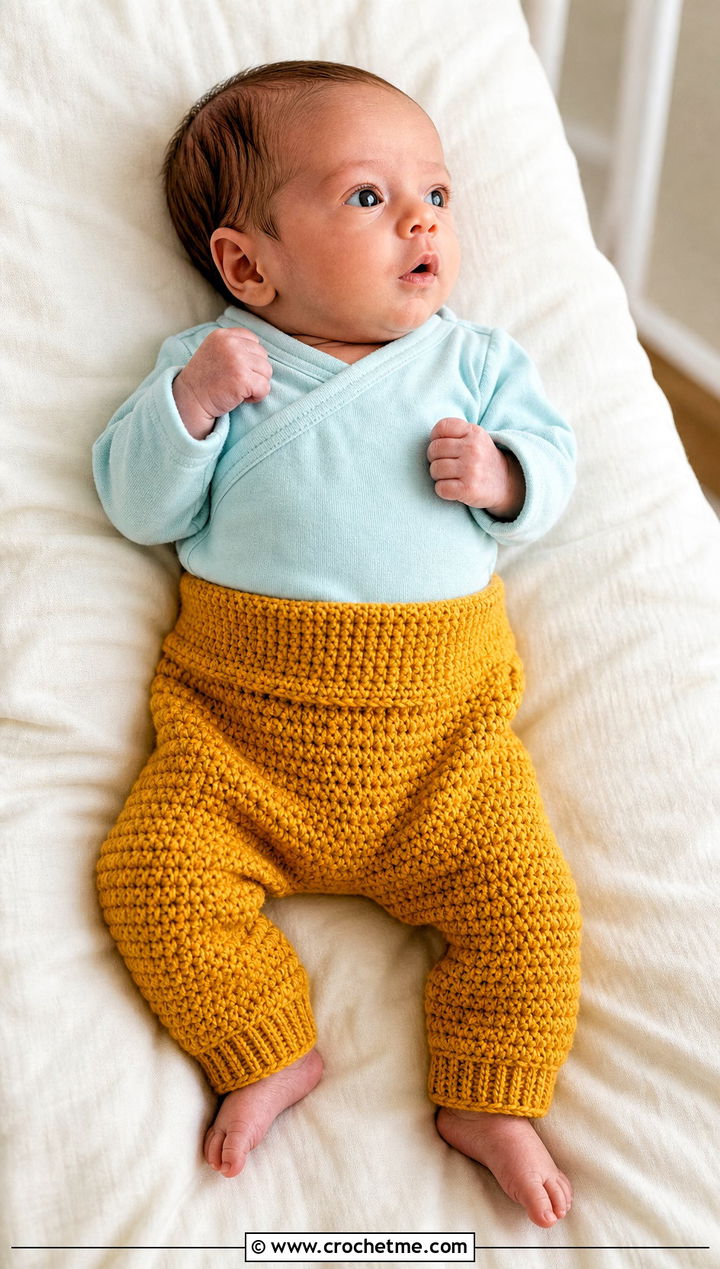
Tiny crochet preemie pants can introduce unexpected texture when paired with a soft cotton wrap shirt. Select footless pants with a broad, gentle waistband rather than a narrow tie or drawstring. The stitches should be smooth and flexible, allowing the garment to move without becoming rigid around the hips or knees. Because crochet fabric can create pressure points, check the waistband, seams, and leg openings carefully during wear. A plain wrap shirt balances the stronger texture and opens easily across the chest. This outfit works best for a brief, supervised photograph at home after the baby is medically stable. Keep the pants correctly fitted and avoid making them oversized for growth. Remove them whenever caregivers need lower-body access or if the fabric leaves marks on the baby’s skin.
20. Crochet Preemie Bloomers With Cotton Tunic
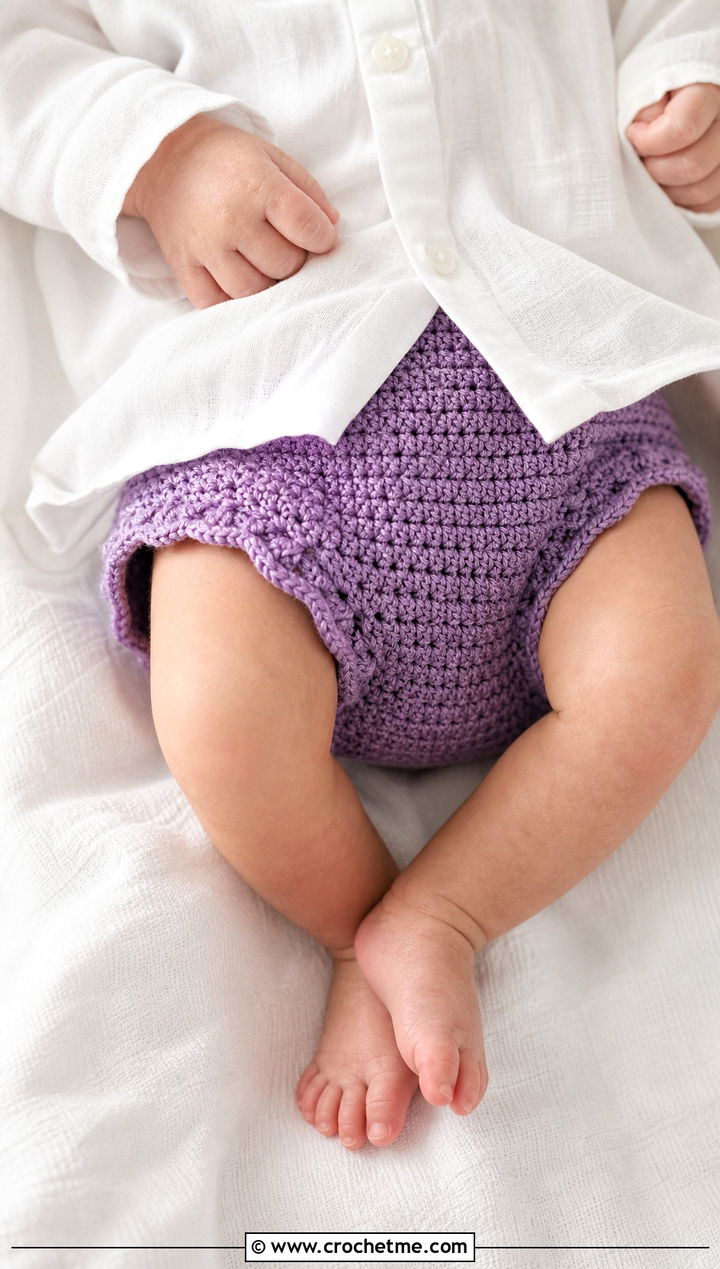
Crochet preemie bloomers make a playful color statement beneath a simple cotton tunic. Choose bloomers with softly shaped leg openings and a flexible waistband worked directly into the garment. Avoid threaded elastic, drawstrings, bows, or any closure that could press against the baby. A front-opening cotton tunic adds coverage while keeping the look easy to remove. The bloomers should fit over the diaper without compression or bulky folds. This combination is ideal for an awake, supervised photo because the crochet piece remains clearly visible without surrounding the baby’s upper body. Use smooth, washable yarn and secure every end inside the stitch work. Bright bloomers paired with a pale tunic feel modern and cheerful, but comfort always matters more than appearance. Stop using the garment if it becomes stiff after washing.
21. Crochet Preemie Booties With Cotton Coverall
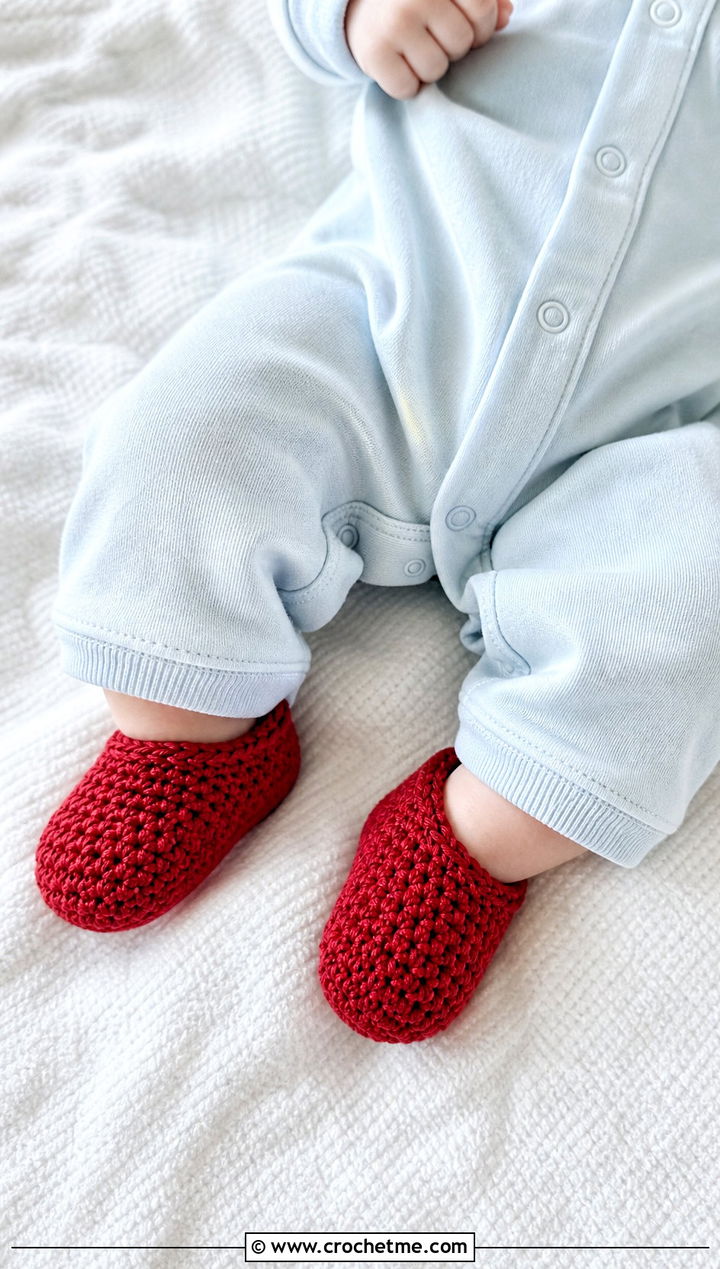
A pair of crochet preemie booties can complete a cotton coverall without adding a heavy outer layer. Look for a seamless or carefully joined design with a soft sole, compact stitches, and an opening that stays in place without cords. The booties should not contain ribbons, buttons, bells, flowers, or tight ankle ties. Pair them with a footless front-opening coverall so the crochet texture remains visible and the outfit is easy to manage. Measure the baby’s feet rather than relying only on a general preemie label, since proportions vary. Use the booties for supervised warmth or photographs after approval from the care team. Remove them regularly to check circulation, skin color, temperature, and pressure marks. Hospital donation programs may accept booties, but their material and construction requirements differ.
22. Crochet Preemie Socks With Cotton Romper
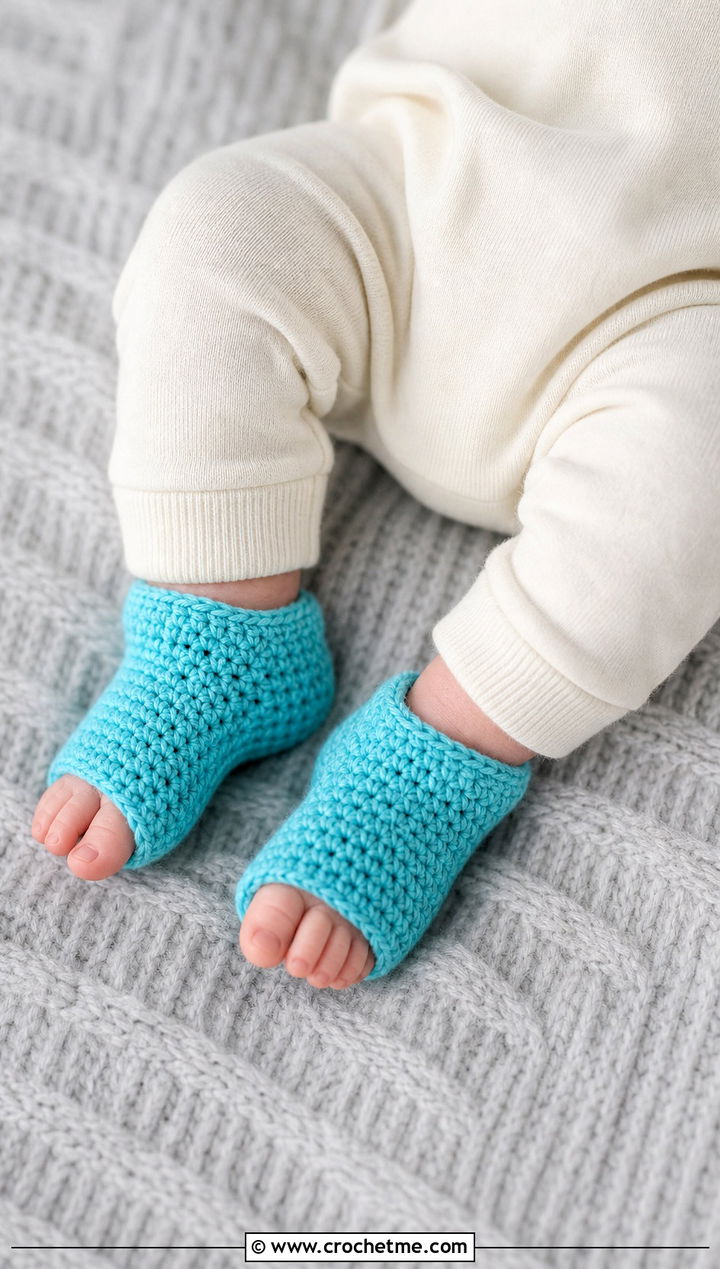
Crochet preemie socks offer a lighter alternative to structured booties when worn with a footless cotton romper. Choose a close, flexible stitch and a softly finished ankle that stays secure without elastic cords or ties. The interior should feel smooth, with no knots or thick joins beneath the foot. A front-opening romper keeps the rest of the look practical and lets the colorful socks become the main detail. Because tiny socks can loosen, use them only with direct adult supervision and remove them if they slide or twist. This combination works for short indoor wear after medical approval, especially when the baby no longer needs continuous foot access. Check both feet frequently for warmth and unrestricted circulation. Never rely on crochet socks as a substitute for clinician-recommended temperature support.
23. Crochet Preemie Mittens With Side-Snap Sleeper
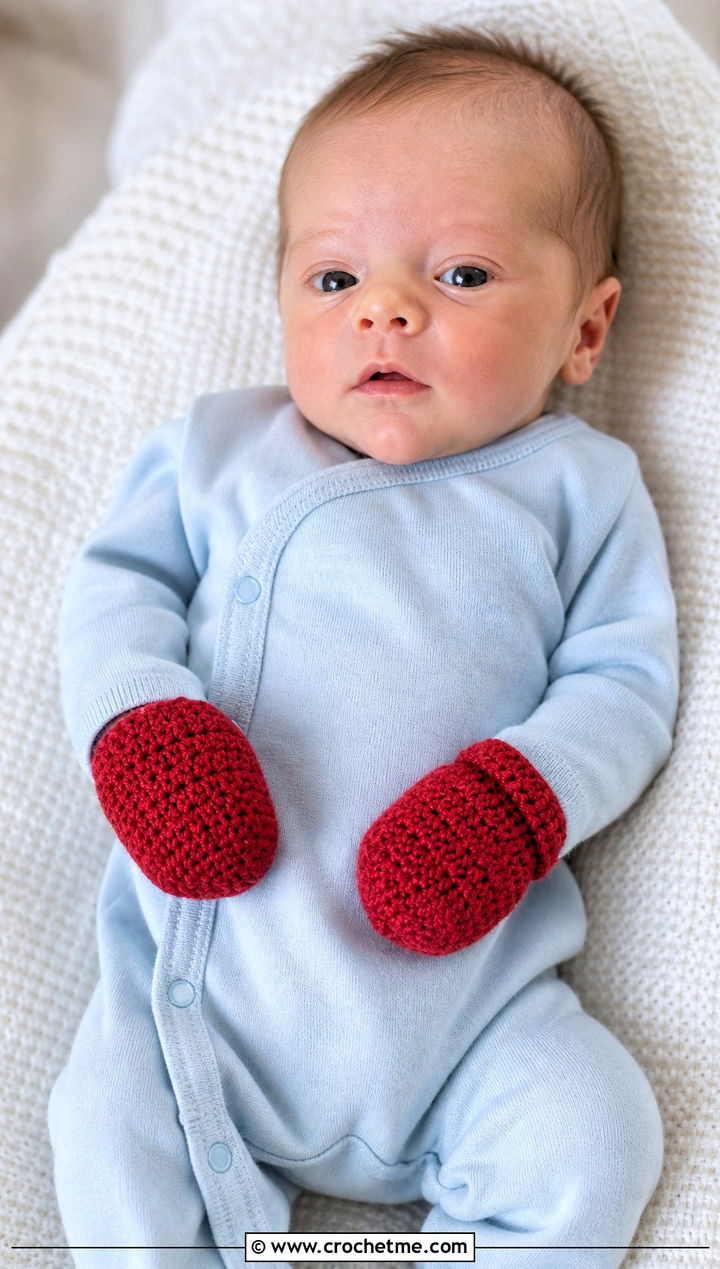
Crochet preemie mittens can coordinate with a side-snap cotton sleeper for a soft, complete outfit, but they require especially close supervision. Pick a smooth, lightweight mitten with no cord connecting the pair and no tight wrist tie. The opening should remain gently secure without leaving marks. A plain sleeper gives the hands a clean background and allows the bright crochet texture to stand out. Mittens may not be appropriate when caregivers need to observe the hands, monitor circulation, or encourage touch, so ask before using them. Keep the baby’s fingers correctly positioned inside and remove the mittens frequently for inspection. This outfit is best reserved for a brief awake photograph or caregiver-approved wear. Loose mittens should be removed immediately rather than adjusted repeatedly.
24. Crochet Preemie Hat And Booties Set With Cotton Gown
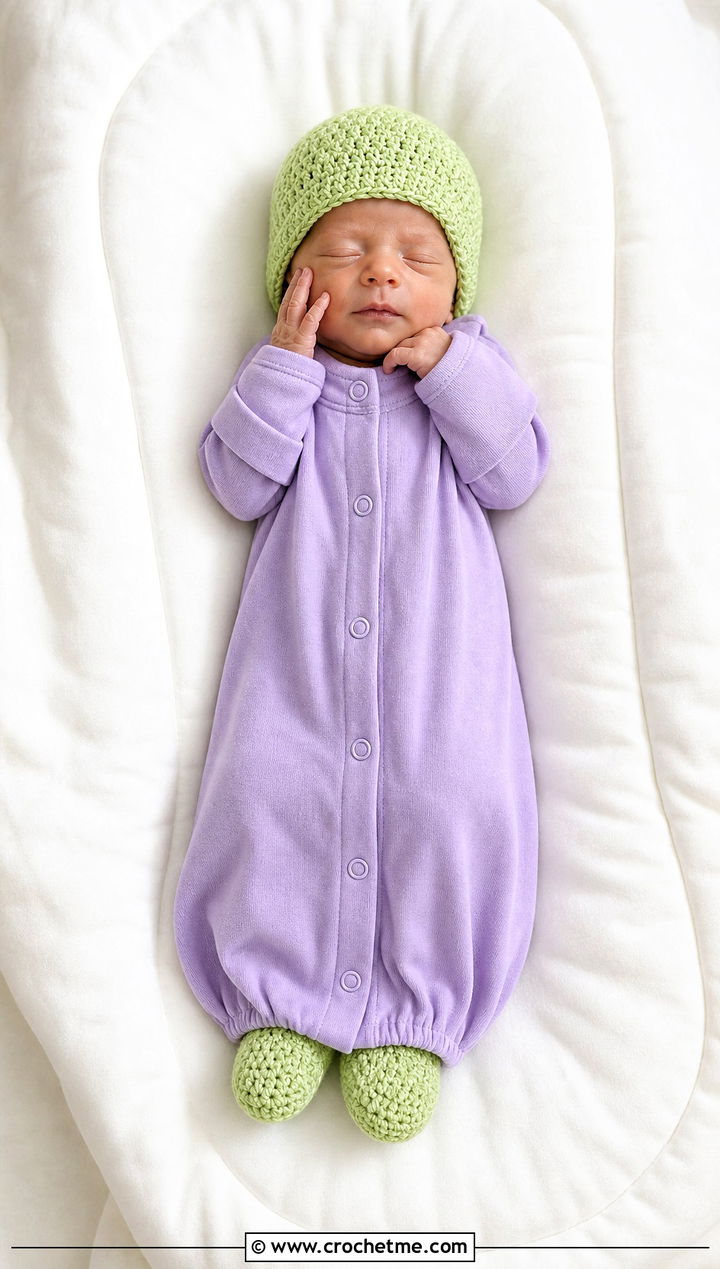
Matching crochet preemie hats and booties create a coordinated look around a simple cotton gown. Use one vivid color across both crochet pieces, then keep the gown soft and understated. The beanie should fit smoothly without a pompom, while the booties should stay on without ties, ribbons, or tight cuffs. A front-opening cotton gown allows easy dressing and prevents the matching accessories from making the outfit feel overly bulky. This combination is lovely for a supervised coming-home photograph or a family keepsake portrait. However, hats and booties should only be worn when appropriate for the baby’s temperature and medical needs. Check every item for loose fibers, stretched openings, and rough joins. If donating a matching set, follow the chosen hospital’s current instructions regarding yarn, washing, packaging, and accepted sizes.
25. Crochet Preemie Coming Home Set With Cotton Basics
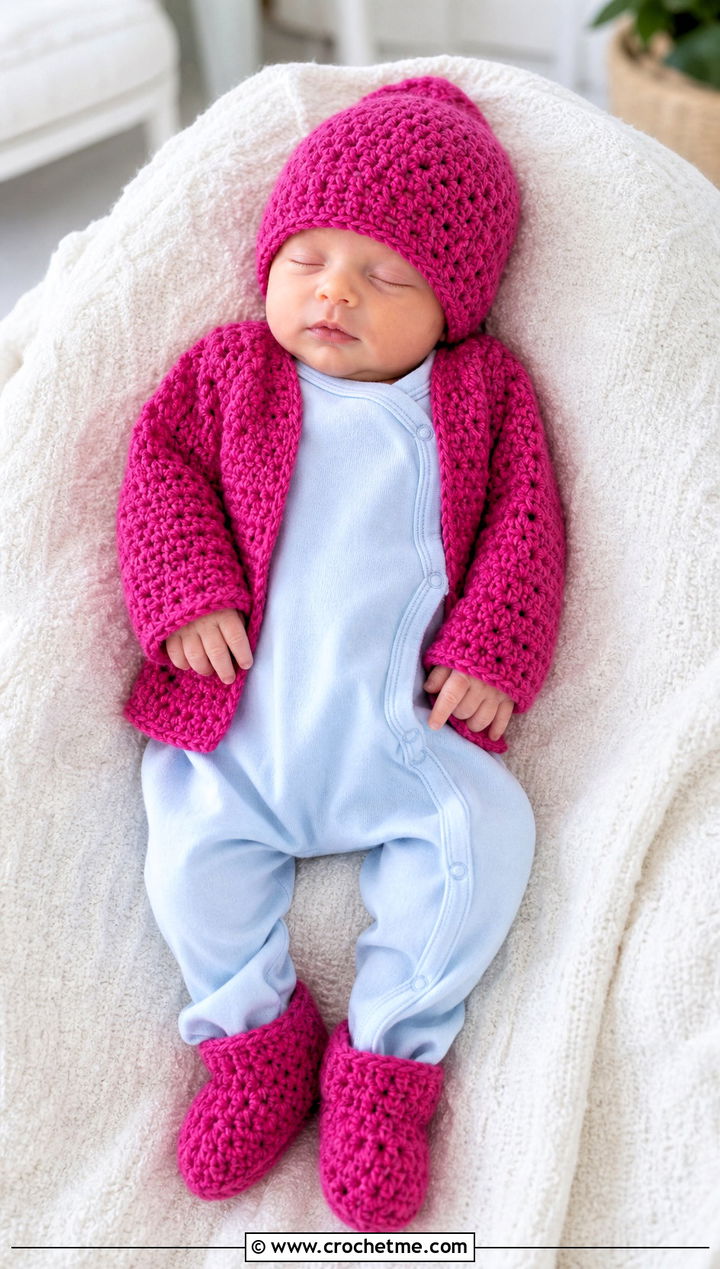
A complete crochet preemie coming home set can include an open-front cardigan, seamless beanie, and soft booties layered over a side-opening cotton sleeper. Keep all three crochet pieces lightweight and made in coordinated colors rather than adding more decoration. The sleeper provides a smooth foundation, while the cardigan can be removed quickly if the baby becomes warm. Choose a tie-free hat and booties without detachable trim. Before departure, remove any layer that interferes with correct car-seat harness placement; bulky clothing should never sit beneath the straps. Use the crochet set for a supervised photograph, then follow the hospital team’s travel instructions. Every baby leaves the NICU with different needs, so ask caregivers to approve the fabrics, fit, warmth, and accessibility of the entire outfit before the planned discharge day.
Conclusion:
These 25 Crochet Premie Clothes and outfit ideas show that handmade texture can work with practical cotton clothing, not just decorative baby-photo sets. Open-front cardigans, seamless hats, short gowns, vests, rompers, and carefully fitted booties provide many ways to build a coordinated wardrobe. The best designs remain lightweight, washable, correctly sized, and free from long ties or detachable decorations. Premature babies can have highly individual medical, skin, access, and temperature needs, so every outfit should receive approval from the baby’s NICU or pediatric care team. Donation rules should also be checked before materials are purchased. With thoughtful construction and direct supervision, crochet can add meaningful color and personality to tiny milestone outfits.
Related posts: